
Preparation is Paramount for Success
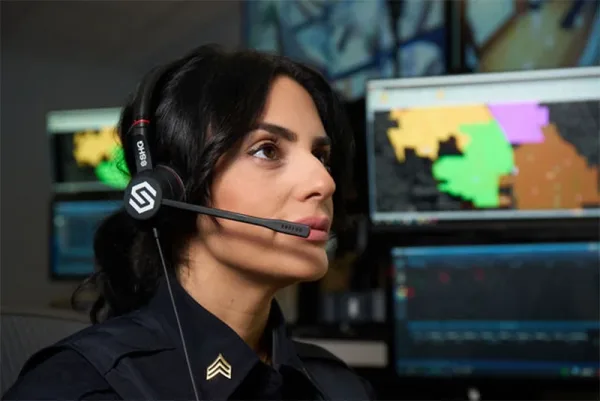 June 1 is the official start of hurricane season in the Atlantic. However, the danger extends far beyond hurricanes with other natural disasters, such as wildfires, winter storms, and floods. Between 1980-2024 there were 403 U.S. events where overall damages/costs reached or exceeded $1billion each (including CPI adjustment to 2024) for a total cost of approximately $2.915 trillion. During these natural disasters, first responders often perform life-saving missions. Behind these emergency personnel are the unseen heroes, the E911 dispatchers. It is critical that dispatchers and PSAPs (public safety answering points) are ready when natural disasters strike.
Preparing for Natural Disasters
In any large-scale disaster, a dispatcher’s role extends beyond answering calls. A PSAP is the central hub, which coordinates communication between multiple agencies, tracks units in the field, and relays critical updates in real time; therefore, organization and preparation are crucial. Below are three ways to prepare for natural disasters.
1. Develop a Disaster Plan
Every PSAP should create and regularly update a comprehensive disaster plan. This plan should include information such as the following:
- It should cover ways to handle loss of power as well as generator CAD, and communications failures. In addition, there should be evacuation procedures for the dispatch center itself. If the primary center is evacuated, a secondary location should be designated to ensure operations are maintained. During disasters mobile command centers (MCCs) are an option because they can be deployed quickly and act as a central hub between dispatchers, first responders, and other agencies involved in the disaster response, according to International Fire & Safety Journal.
- Dispatchers often take on specialized roles during natural disasters. For example, a dispatcher may have the additional duty of coordinating information related to down trees and/or power lines, and flooded roads. This information is critical for first responders who need to know the best way to reach those in need. These roles are specified in advance in the disaster plan.
2. Ensure Reliable Communications
During disasters, technology is often crucial for saving lives, but sometimes it presents unforeseen challenges too. To maintain operational awareness of the situation, dispatchers rely on equipment, such as CAD (Computer-Aided Dispatch), radio systems, and mapping software.
In addition, headsets are essential end points on the communications network. These headsets not only need to be reliable, but also comfortable. During natural disasters dispatchers often work much longer shifts than usual.
Redundancy is also critical for communication systems. If the primary mode of communication is not operational, back-up solutions, such as cell phones and radios, need to be charged and ready to use at a moment’s notice.
3. Conduct Disaster Training
Training is critical for natural disaster preparation. Often, many unforeseen situations occur during these events, making regular response training and simulations critical for successful handling. Now AI is playing a critical role with simulators that can generate realistic natural disasters, enabling emergency response teams to practice in a safe environment.
Dispatchers deal with stressful situations every day, but natural disasters add a heightened level of tension. Stress management techniques should be included in disaster training. Emotional and mental support techniques are necessary for dispatchers to stay calm as panic often increases during these extreme weather events.
Ready for the Next Severe Weather Event
Natural disasters are on the rise; therefore, dispatchers must prepare for these events. Plans must be in place and reviewed regularly. Communications equipment should be dependable and back-up modes must be charged and readily available. Training is necessary to ensure successful handling of these unpredictable weather events.
Clear Choice Headsets offers a variety of communications equipment, including headsets that have been trusted by dispatchers for nearly four decades. Our headsets are not only reliable during life’s most challenging moments, but also provide the comfort necessary for long shifts often endured by 911 dispatchers during natural disasters. We welcome the opportunity to discuss headset options for your dispatchers. Feel free to contact us at 847-298-8100 or contactus@clearchoiceheadsets.com.